

Vulvodynia and Pelvic Floor PT: One Woman’s Recovery Story

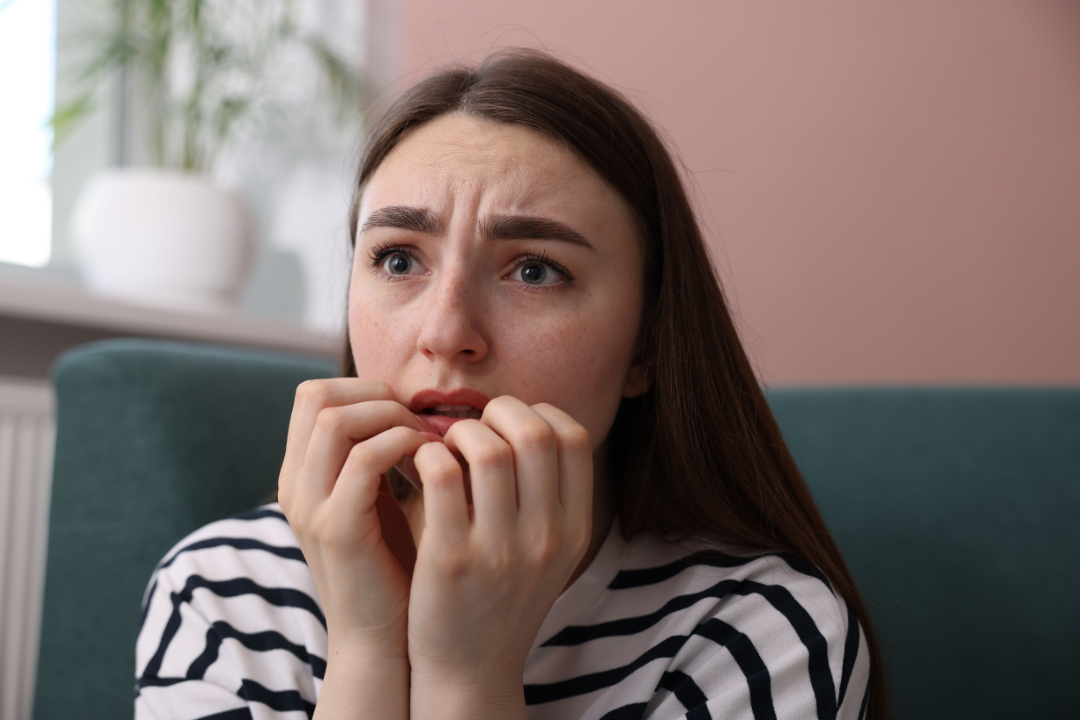
She couldn’t sit on the wooden church benches anymore. Couldn’t wear blue jeans. Couldn’t be intimate with her husband. Four doctors had run every test they could think of and told her all the things it wasn’t.
This is her story.
It Started With a UTI – A Common Beginning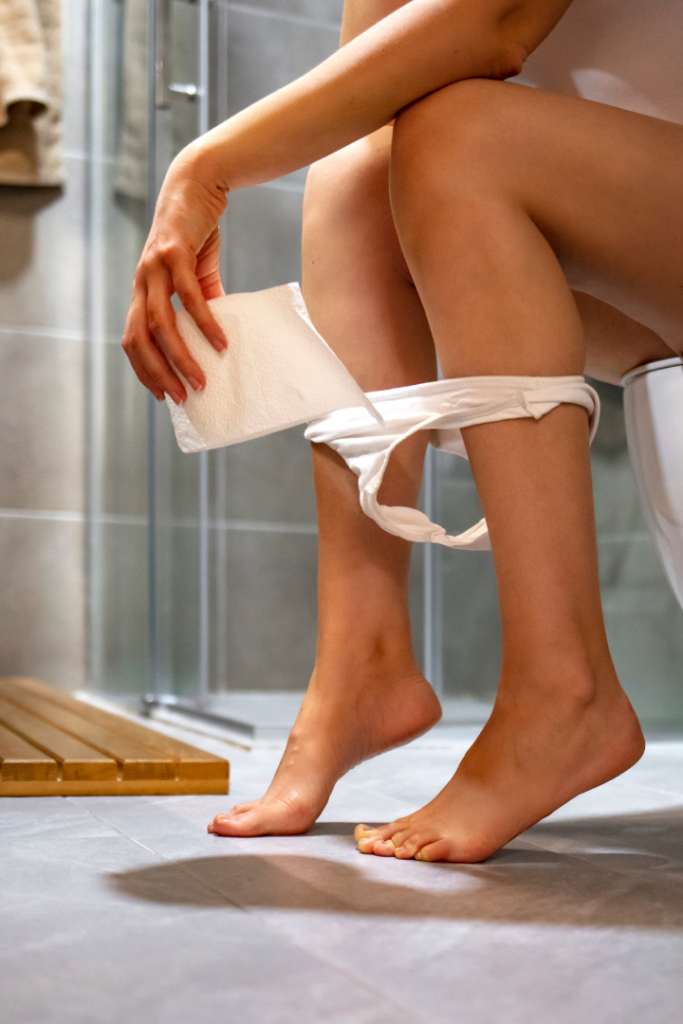
It Started 10 months ago on a Saturday morning. A urinary tract infection. Burning, painful urination. The desperate urge to go, and then the dry, inflamed feeling of an angry, empty bladder.
She tried over the counter medication first. The stuff that turns your urine orange helped with the pain, but didn’t fix the problem. So she went to her doctor. Antibiotics. It helped. She felt better for almost two weeks, then it ramped up again. Another round of antibiotics. Another week of relief, then a yeast infection on top of everything else.
Things felt… better. But not really.
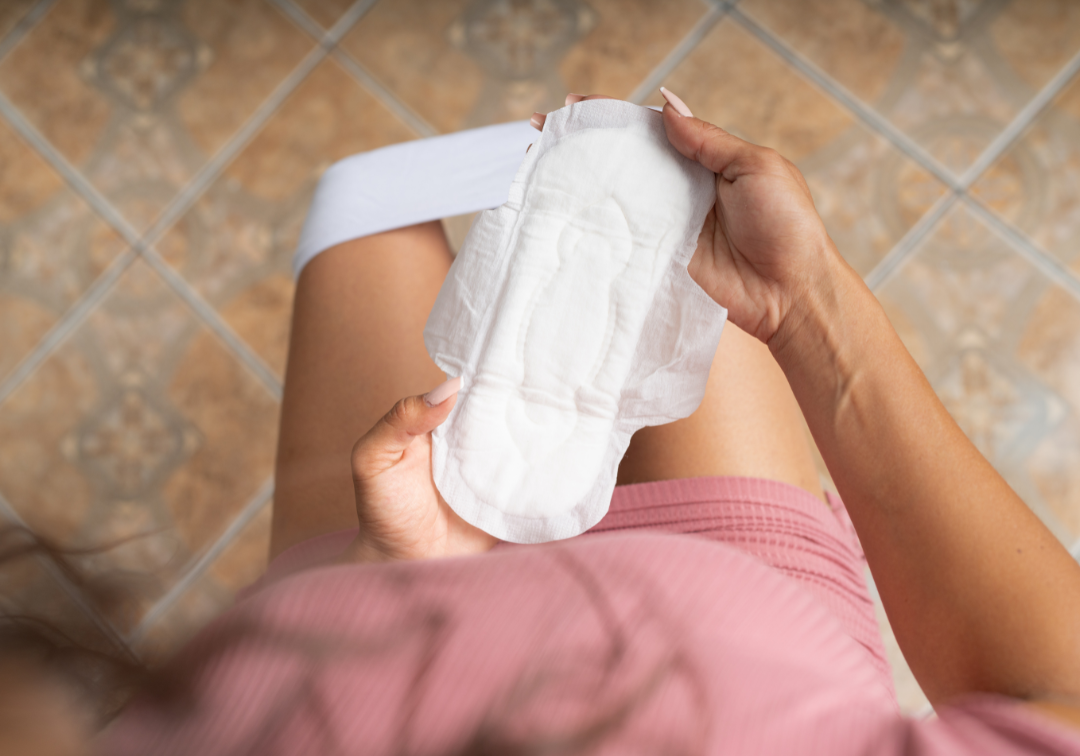
What evolved instead was a low level irritated feeling. All the time. And then, the pain would flare – after football games, during church, with sex. During a flare, the burning and pain would be all she could think about. Sleep helped. She would dread getting out of bed in the morning. Mornings were usually better, but she knew the day ahead might not be.
 The Testing. The Waiting. The Vulvodynia Diagnosis That Didn’t Help.
She went back to her doctor. Was referred to a urologist. Cystoscopy, ultrasound, CT scan. No infection, no kidney stones, no signs of cancer. Then a urogynecologist. More blood work. More waiting.
The diagnosis, when it finally came, was vulvodynia. A chronic pain condition. They told her right up front there was no specific cure.
She sat with that for a long time. Got online. Confirmed it. No cure. Just a laundry list of things you could try. Some of it sounded really “out there.”
Her first chat room was filled with people describing symptoms far worse than hers. People who couldn’t wear underwear. People filing for disability. By the end of that evening, her symptoms had flared so badly that even sleep didn’t help.
She stayed away from the internet for a while.
2AM and Still Looking for Vulvodynia Relief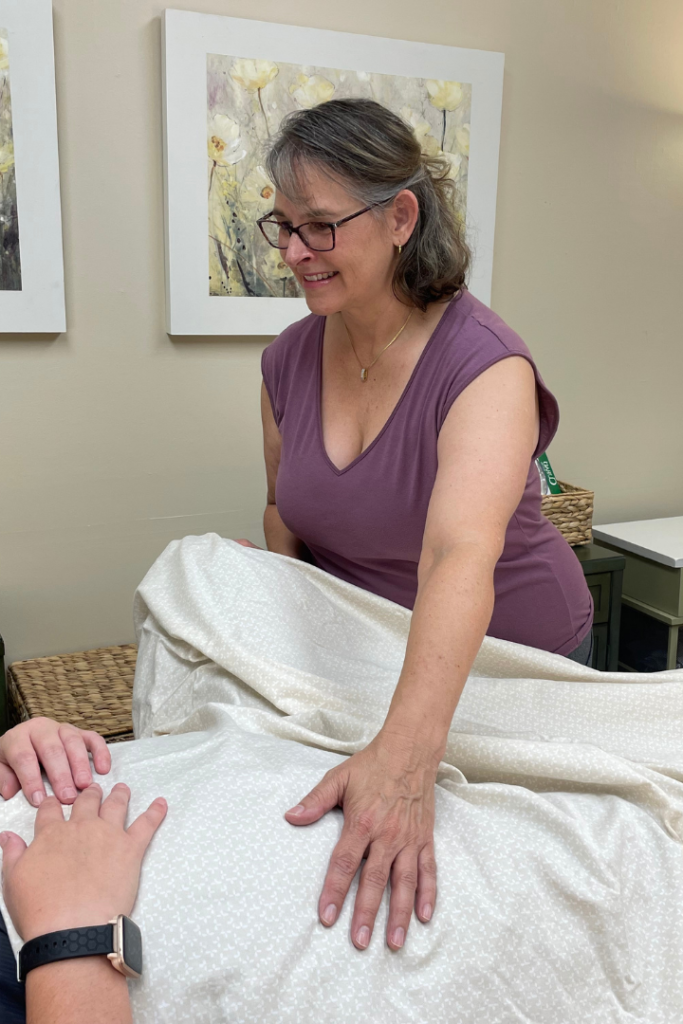
She got an appointment with a vulvodynia specialist – six months out. She called every week asking about cancellations and got in three months early. The medication helped, a little.
But she was still up at 2AM some nights, looking for anyone with a suggestion. Even the “out there” ones.
That’s when she found people in a chat room talking about pelvic floor physical therapy. Not something strange. Actual medical treatment. And she had never heard of it before.
She searched in her area, found my clinic not too far away, and made an appointment.
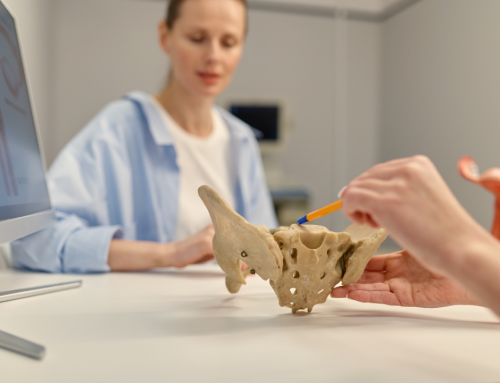
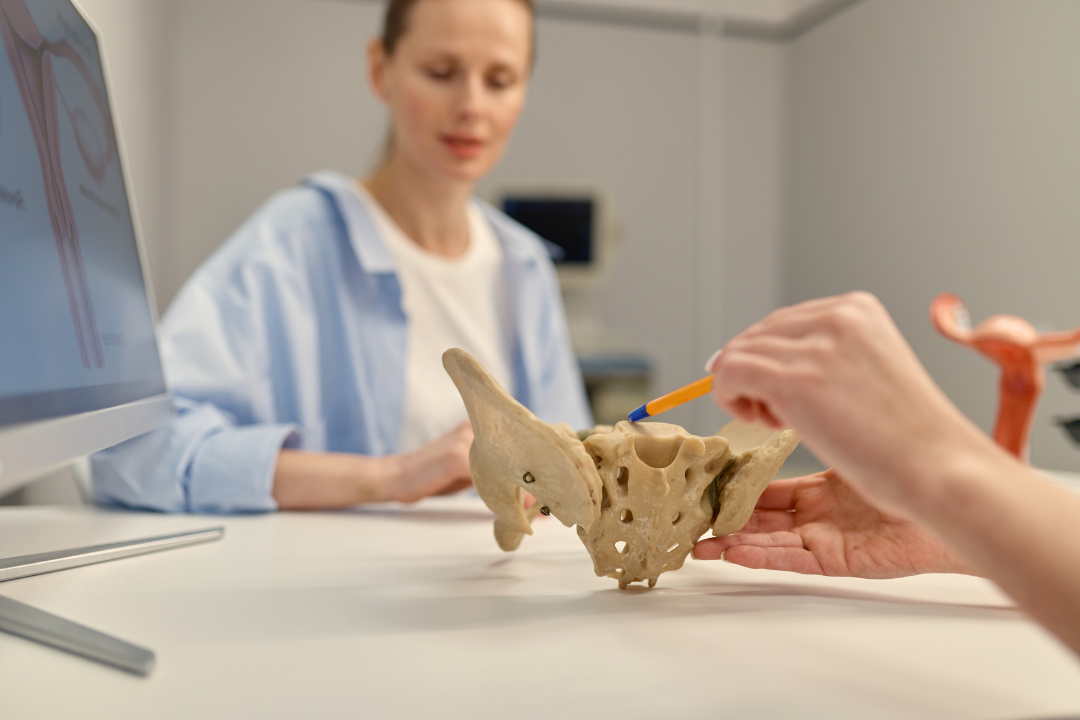
She was nervous about the exam. Everything down there hurt, and she worried the exam would cause a flare. But we checked what we could, and made sure to be gentle. That gave us a place to start.
She told me after that first appointment – she felt something she hadn’t felt in a long time. Hopeful.
What Helped Her Vulvodynia Symptoms
She had something concrete to try that first evening. When it brought her pain down a little, something shifted. Not a flare, but actual improvement. She allowed herself to think this might really work.
This is what her Pelvic Floor Therapy looked like:
- Calming her nervous system.Seven months of pain, frustration, and medical dead ends before she even found pelvic floor PT had put her nervous system on constant high alert. Pain that lives in private, vulnerable parts of the body is enormously taxing. And that emotional weight feeds the nervous system, which amplifies the pain. Learning to interrupt that cycle was the first step.
- Reducing pelvic floor muscle tension. Stretching and relaxation techniques helped lower the chronic tension her muscles had been holding.
- Addressing nerve sensitivity. She learned self-massage techniques to reduce pressure on the pudendal nerve, and improve blood flow for healing.
- Shifting her mindset intentionally. She began focusing on improvements, even small ones, rather than tracking every bad day. That shift in attention is not just positive thinking. It is neuroscience. What we tell ourselves changes what our nervous system does with pain signals.
She started taking fewer naps. She could get through her workday. She bought a stadium seat for her son’s football games and walked around and stretched when she needed to.
She knew she was on her way when she could sit on those wooden church benches and almost make it to communion before she had to stand and walk to the back.
Sometimes she still has to get up, for a while. But she keeps improving. And she has learned things she can do to manage it. And that changed everything.
(This story is told with her permission, some of the details have been changed to protect privacy.)
 If Any of This Sounds Familiar
Vulvodynia is one of those conditions that can take years to diagnose and leaves many people feeling like they have run out of options. If that is where you are right now, you are not out of options.
A good first step is working on calming the nervous system so it stops amplifying your pain signals. I put together a free resource that walks you through exactly how to do that – practical techniques rooted in pain science that you can start using today.
Calming Pain Signals: Taking Control of Pain, Down There-
https://reliefpt.com/calming-your-pain-signals
If you want to talk through what is going on for you specifically, a free phone consultation is always available. No pressure, no commitment – just figuring out what your body needs next.
Schedule To talk with Holly – https://reliefpt.janeapp.com
You Might Also Find These Interesting
- Finding Hope for People Suffering from IC/PBS
- The Journey of Chronic Pelvic Pain
- Navigating Life with Endometriosis: How Pelvic Floor PT Offers Relief
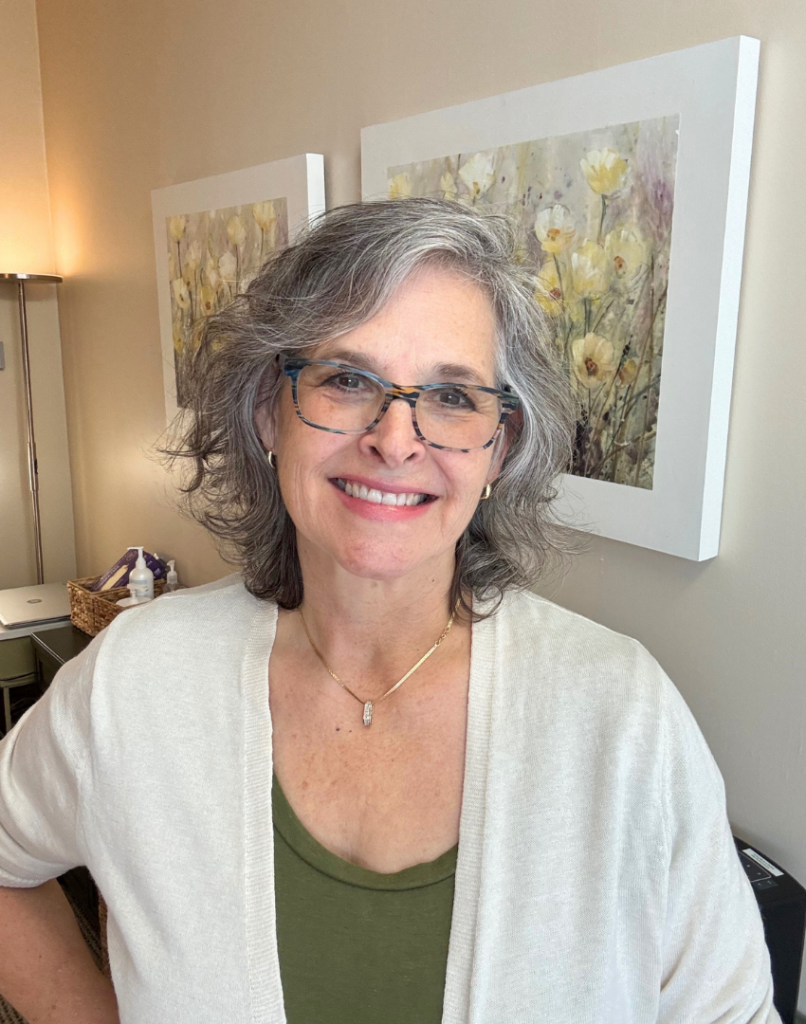 Holly McDonald is a pelvic floor physical therapist specializing in bladder, bowel, and sexual health. She helps people find real solutions after years of being dismissed, misdiagnosed, or told their symptoms are just part of aging.





Leave A Comment