

What to Expect From an Internal Pelvic Floor Assessment
(And Why It’s Nothing to Fear)
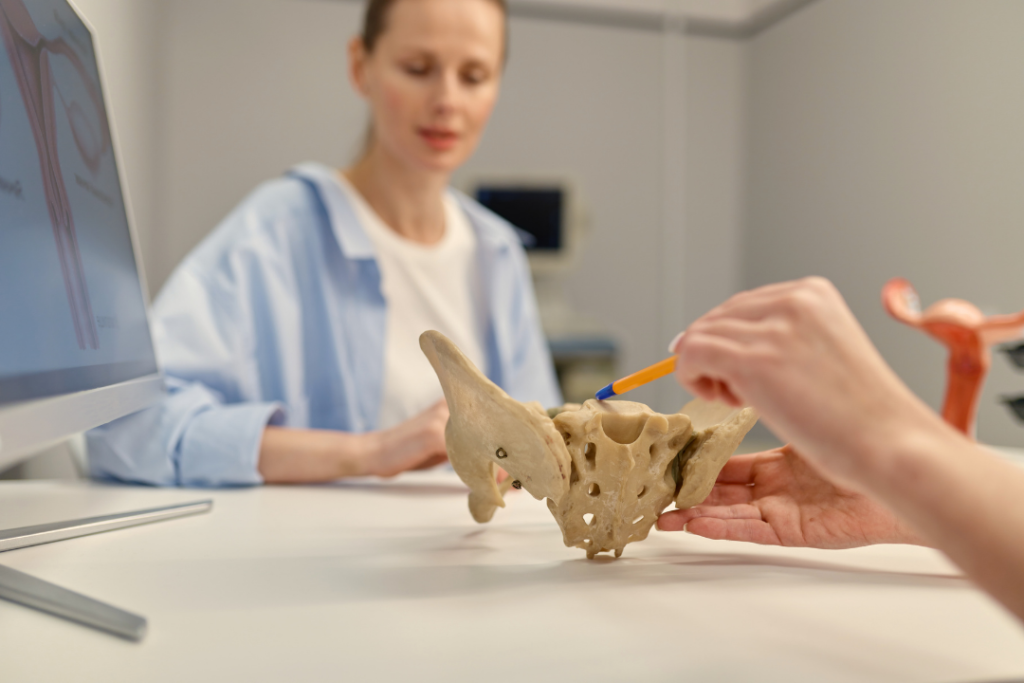
If you have been referred to a pelvic floor physical therapist, or you are considering making an appointment, you may have heard that going might include an internal pelvic floor assessment. And if that made you pause – you are not alone. Many people come into my clinic feeling a little nervous about that part of the process.
First, What Is an Internal Pelvic Floor Assessment?
An internal pelvic floor assessment is where your physical therapist uses their finger to assess the muscles of your pelvic floor from the inside, through the vaginal opening.
This should not be painful. A skilled therapist moves slowly, checks in with you throughout, and adjusts to your comfort level at every step.
And it is always, without exception, done with your full consent. Nobody should be performing an internal assessment without your explicit permission. If you are not comfortable, you say so, no need to explain. We just move on to the next part of the assessment.
Your comfort matters. Your consent matters. Full stop.

What an Internal Pelvic floor Assessment Can Reveal
The pelvic floor is a group of muscles, just like the muscles in your back or your hips. And just like those muscles, things can go wrong that are not visible from the outside and not something you would necessarily feel on your own.
An internal assessment gives us a detailed picture of what is actually happening in a place where often even medical practitioners don’t look.
Here is what we might find:
- Tenderness or trigger points – You might be surprised to discover that your pelvic floor muscles are tender. People that are tender often don’t know. Just like a massage therapist working on your back might find knots you did not know you had, we can find areas of tension and sensitivity that are directly contributing to your symptoms.
- Inflammation or swelling – If the tissue feels hot, inflamed, or swollen, that is important clinical information. It changes how we approach your treatment.
- Restriction or scar tissue – Maybe the muscles are too tight. Maybe the fascia is not moving the way it should. Maybe there is scar tissue from a surgery, a birth injury, or an old trauma that is limiting function. We can feel that, And then we can treat it.
- How well you care connected to your pelvic floor muscles – Can you activate and relax them intentionally?
We’ve been told all our lives to ignore things below the bellybutton.” Move along.” “Nothing to see here.” It’s common for people to be mentally disconnected from this part of their body.
Why Kegels Might Not Be Working — And How an Internal Exam Helps
One of my new patients came to see me, frustrated. She had been doing Kegel exercises faithfully for several weeks before her appointment. She could feel her body contracting, but her leaking was not improving at all. (Hence the appointment at my clinic)
During her internal assessment, we discovered that when she thought she was contracting her pelvic floor, she was actually contracting some of her hip muscles instead. She was working at it. She was consistent. But she was never going to get results from an exercise she was not performing correctly.
Once we identified what was happening, we worked on building the connection between her brain and her pelvic floor – the actual muscles she needed to engage. When she started contracting the right muscles, things changed. She was soon able to close and hold while she walked to the bathroom instead of racing against the clock.
An internal assessment can provide a clear picture– information about whether someone is engaging the right muscles, substituting with others, contracting well, relaxing fully, or fatiguing quickly. These are details that are very difficult to determine from the outside alone.
A Note on Choosing Your PT
Many experienced pelvic floor physical therapists include internal assessments as part of a comprehensive assessment, but you’ll find some that work primarily with external techniques. Both approaches have value depending on the situation and the therapist’s training.
If you are wondering what a particular therapist’s assessment includes, it is reasonable to ask before your first appointment. There shouldn’t be any surprises.
If you are not sure what to look for when choosing a pelvic floor PT, I put together a free guide to help you ask the right questions and find someone who is a good fit for your needs.
The Bottom Line: Why an Internal Assessment Is Worth Considering
An internal pelvic floor assessment is not something to be nervous about – it is something to be informed about. When it is done with skill, patience, and respect for your comfort and consent, it can give your therapist a level of clinical detail that makes your treatment more accurate, more targeted, and more effective. So it’s worth considering.
Your pelvic floor muscles are just that… muscles. They deserve the same thorough assessment as any other part of your body.
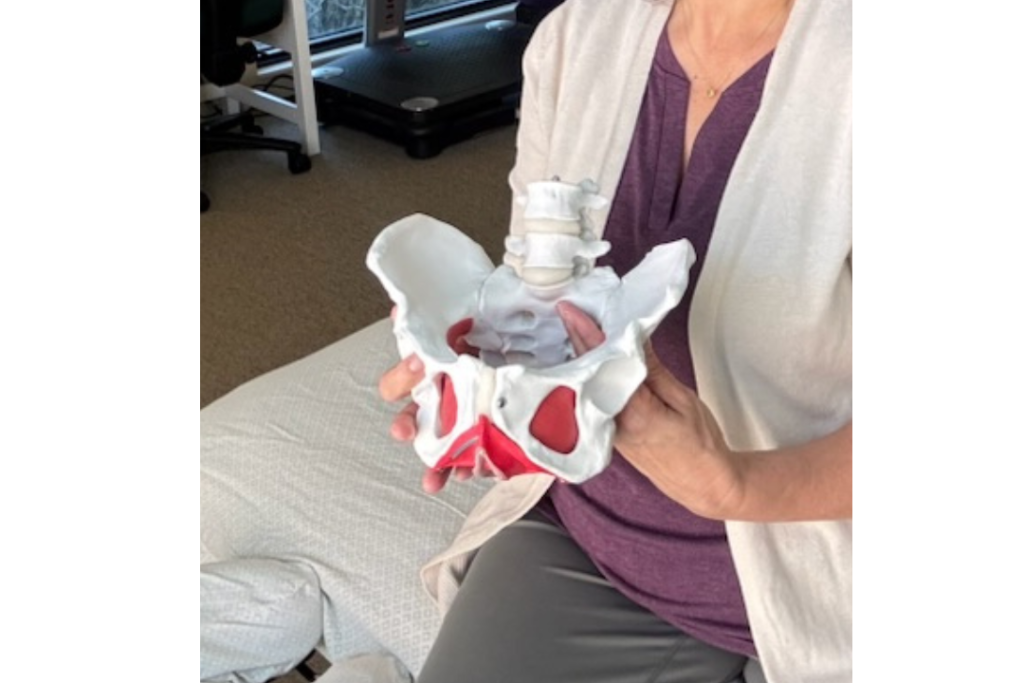

Holly McDonald is a pelvic floor physical therapist specializing in bladder, bowel, and sexual health. She helps people find real solutions after years of being dismissed, misdiagnosed, or told their symptoms are just part of aging.